CBP/p300
CBP/p300 are histone acetyltransferase transcriptional coactivators that regulate gene expression by acetylating histones and transcription factors[1]. Mechanistically, enhancer activity depends on CBP/P300 bromodomain-dependent H3K27ac, linking chromatin acetylation to active regulatory elements[2]. In cell-cycle-synchronized cells, ChIP-seq showed that p300 and CBP share many targets but also display significant differences in binding levels and target regions, supporting non-identical isoform functions[3]. In disease models, CBP30 inhibited IL-17A production in primary human cells and Th17 responses from ankylosing spondylitis and psoriatic arthritis patients[4]. For experimental applications, I-CBP112 impaired leukemia-initiating self-renewal cells in vitro and in vivo without significant cytotoxicity[5]. The catalytic inhibitor A-485 competes with acetyl-CoA at p300/CBP and selectively inhibited proliferation in hematological malignancies and androgen receptor-positive prostate cancer models[6].- CBP/p300 studies should measure enhancer H3K27ac, transcription-factor recruitment, and isoform-specific occupancy.- Bromodomain inhibitors support inflammatory, leukemia, and enhancer-dependency experiments with measurable transcriptional outputs.- Catalytic inhibitors such as A-485 enable direct testing of acetyltransferase-dependent tumor programs.
References:
- [1]. Liu X, et al. The structural basis of protein acetylation by the p300/CBP transcriptional coactivator. Nature. 2008 Feb 14;451(7180):846-50. [Content Brief]
- [2]. Raisner R, et al. Enhancer Activity Requires CBP/P300 Bromodomain-Dependent Histone H3K27 Acetylation. Cell Rep. 2018 Aug 14;24(7):1722-1729. [Content Brief]
- [3]. Ramos YF, et al. Genome-wide assessment of differential roles for p300 and CBP in transcription regulation. Nucleic Acids Res. 2010 Sep;38(16):5396-408. [Content Brief]
- [4]. Hammitzsch A, et al. CBP30, a selective CBP/p300 bromodomain inhibitor, suppresses human Th17 responses. Proc Natl Acad Sci U S A. 2015 Aug 25;112(34):10768-73. [Content Brief]
- [5]. Picaud S, et al. Generation of a Selective Small Molecule Inhibitor of the CBP/p300 Bromodomain for Leukemia Therapy. Cancer Res. 2015 Dec 1;75(23):5106-5119. [Content Brief]
- [6]. Lasko LM, et al. Discovery of a selective catalytic p300/CBP inhibitor that targets lineage-specific tumours. Nature. 2017 Oct 5;550(7674):128-132. [Content Brief]
-
CBP/p300 Related Products (79)
Related Products (79)

-
Antibodies (3)
-
A-485
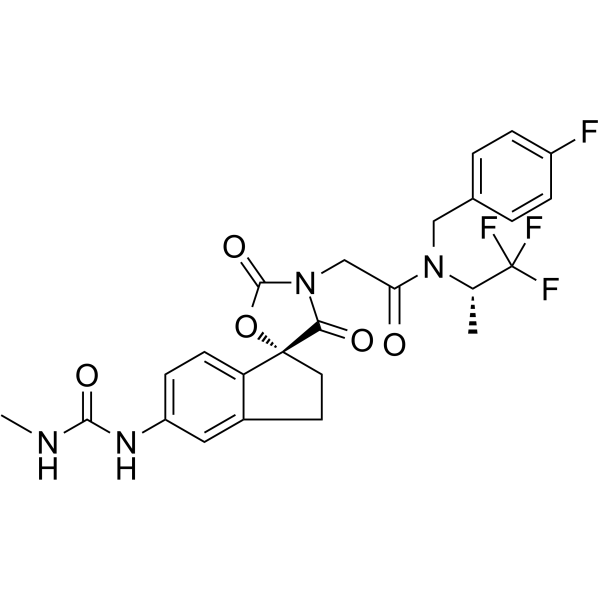 0 ImagesA-485, a chemical probe, is a potent and selective catalytic inhibitor of p300/CBP with IC50s of 9.8 nM and 2.6 nM for p300 and CBP histone acetyltransferase (HAT), respectively.
-
Curcumin
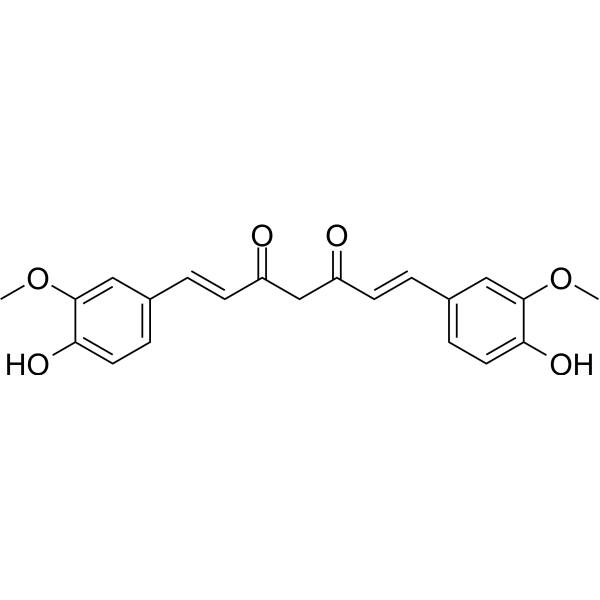 0 ImagesSynonyms: Diferuloylmethane; Natural Yellow 3; Turmeric yellowCurcumin (Diferuloylmethane), a natural phenolic compound, is a p300/CREB-binding protein-specific inhibitor of acetyltransferase, represses the acetylation of histone/nonhistone proteins and histone acetyltransferase-dependent chromatin transcription. Curcumin is a photosensitizer against microorganisms. Curcumin shows inhibitory effects on NF-κB and MAPKs, and has diverse pharmacologic effects including anti-inflammatory, antioxidant, antiproliferative and antiangiogenic activities. Curcumin induces stabilization of Nrf2 protein through Keap1 cysteine modification.
-
Melatonin
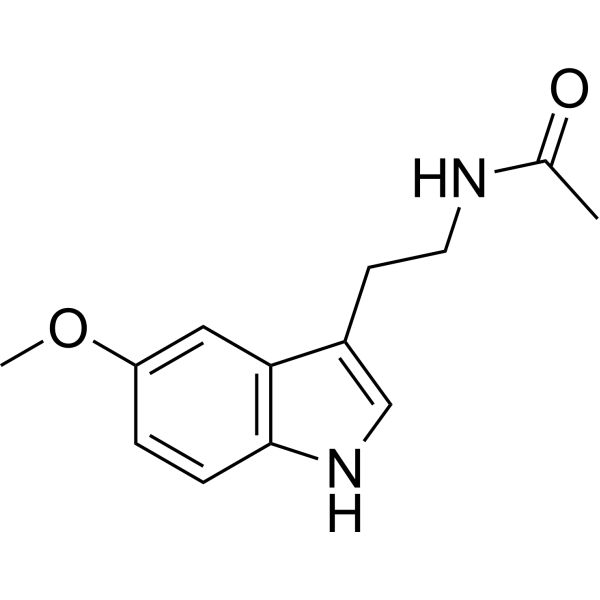 0 ImagesMelatonin is a hormone made by the pineal gland that can activate melatonin receptor and inhibit PANoptosis. Melatonin plays a role in sleep and possesses important antioxidative and anti-inflammatory properties. Melatonin is a novel selective ATF-6 inhibitor and induces human hepatoma cell apoptosis through COX-2 downregulation. Melatonin attenuates palmitic acid-induced (HY-N0830) mouse granulosa cells apoptosis via endoplasmic reticulum stress.
-
C646
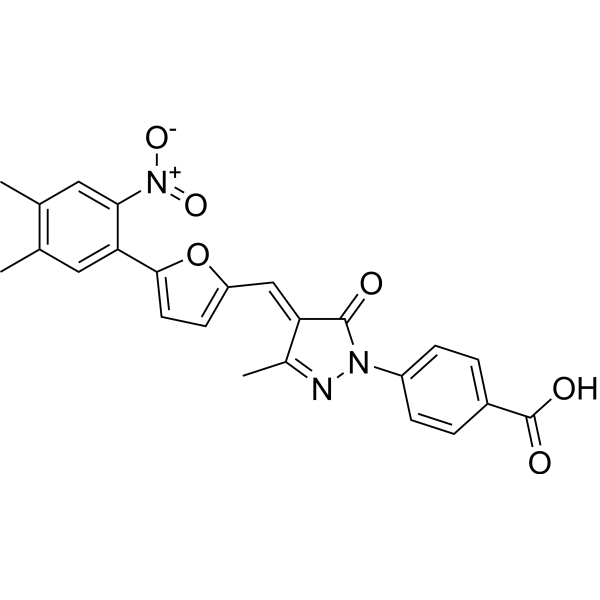 0 ImagesC646 is a selective and competitive histone acetyltransferase p300 inhibitor with Ki of 400 nM, and is less potent for other acetyltransferases.
-
Inobrodib
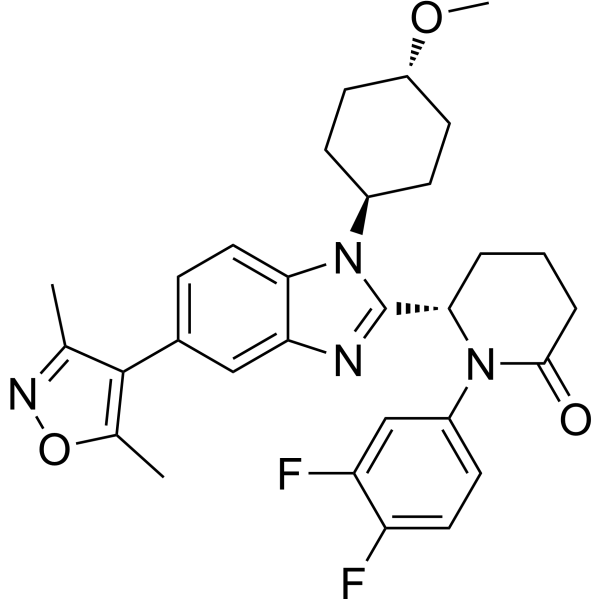 0 ImagesSynonyms: CCS1477Inobrodib (CCS1477) is an orally active, potent, and selective inhibitor of the p300/CBP bromodomain. Inobrodib binds to p300 and CBP with Kd values of 1.3 and 1.7 nM, respectively, and with 170/130-fold selectivity compared with BRD4 with a Kd of 222 nM. CCS1477 inhibits cell proliferation in prostate cancer cell lines and decreases androgen receptor (AR)- and C-MYC-regulated gene expression.
-
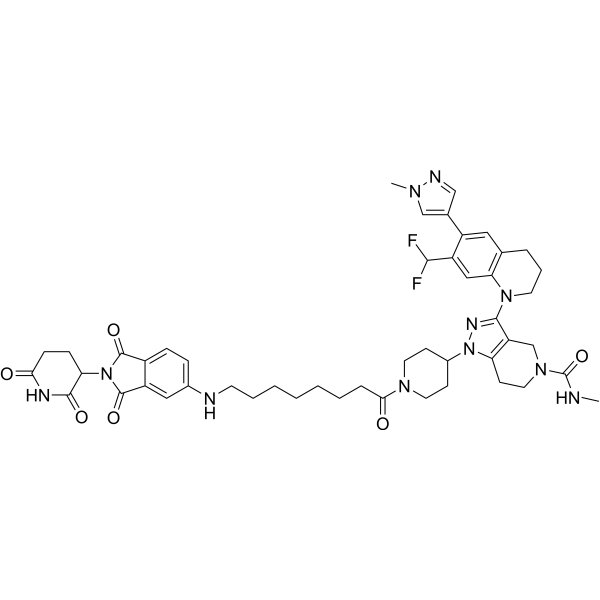
BT-O2C
 0 ImagesBT-O2C is a p300 PROTAC degrader. BT-O2C induces p300 degradation via proteasome- and ubiquitin-like modification-dependent pathways, downregulates the expression of CIC::DUX4 sarcoma target genes, and exerts cytotoxicity against such sarcoma cells. BT-O2C can be used in CIC::DUX4 sarcoma-related studies.
-
JZY3032
 0 ImagesCat. No.: HY-184124JYZ3032 is an orally active super inhibitor of androgen receptor (AR) and p300/CBP. JYZ3032 redirects the catalytic activity of p300 and locks the complex in a transcriptionally inactive state, thereby inhibiting AR-driven transcription and proliferation. JYZ3032 induces deep and durable tumor regression in castration-resistant and patient-derived xenograft models, and exhibits good tolerability. JYZ3032 can be used in research related to metastatic castration-resistant prostate cancer and prostate cancer.
-
SGC-CBP30
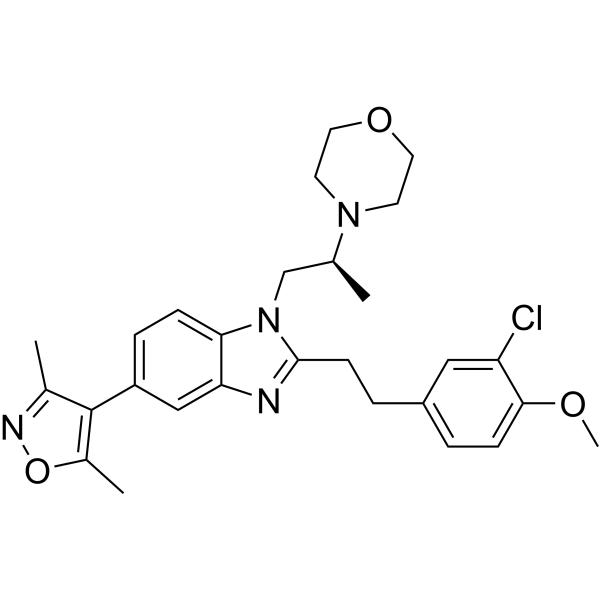 0 ImagesSGC-CBP30, a chemical probe, is a potent and highly selective CBP/p300 bromodomain (Kds of 21 nM and 32 nM for CBP and p300, respectively) inhibitor, displaying 40-fold selectivity over the first bromodomain of BRD4 [BRD4(1)] bound. SGC-CBP30 strongly reduces secretion of IL-17A in Th17 cells and has anti-inflammatory effects.
-
MG 149
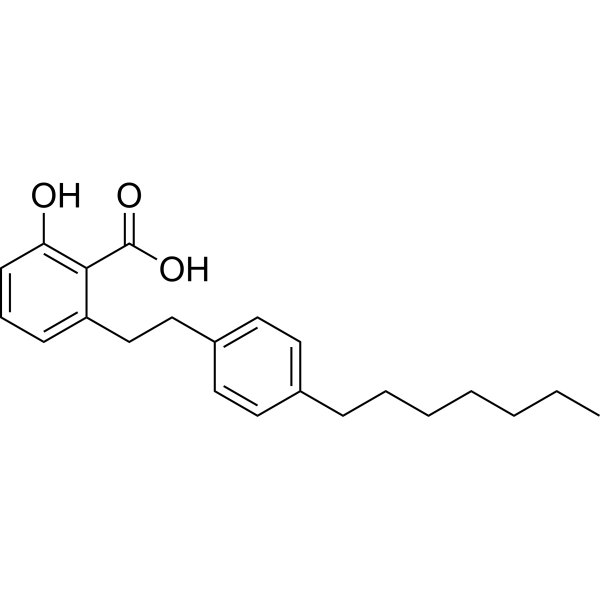 0 ImagesSynonyms: Tip60 HAT inhibitorMG149 (Tip60 HAT inhibitor) is a selective and potent Tip60 inhibitor with IC50 of 74 uM, similar potentcy for MOF (IC50 = 47 uM); little potent for PCAF and p300 (IC50 >200 uM). MG 149 inhibits KAT8 and blocks PINK1 kinase activity. MG149 inhibits the phosphorylation of Parkin and ubiquitin, thereby suppressing the initiation of PINK1-dependent mitophagy. MG 149 can reverse chronic restraint stress (CRS) induced hypertension and related molecular changes. MG 149 commonly used in research on diseases such as hypertension and Parkinson's disease.
-
Anacardic Acid
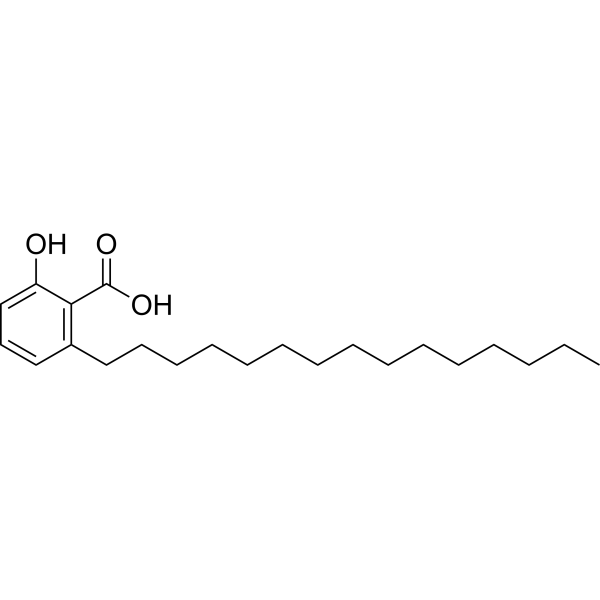 0 ImagesSynonyms: Hydroginkgolic acid; Ginkgolic Acid C15:0Anacardic Acid, extracted from cashew nut shell liquid, is a histone acetyltransferase inhibitor, inhibits HAT activity of p300 and PCAF, with IC50s of ∼8.5 μM and ∼5 μM, respectively.
-
CTB
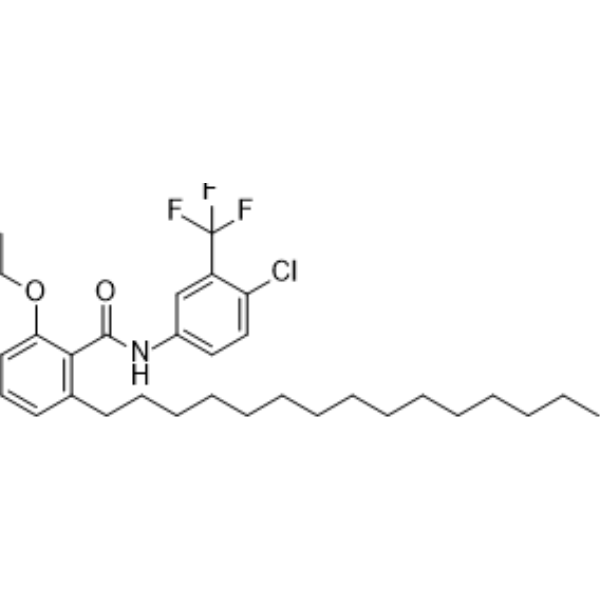
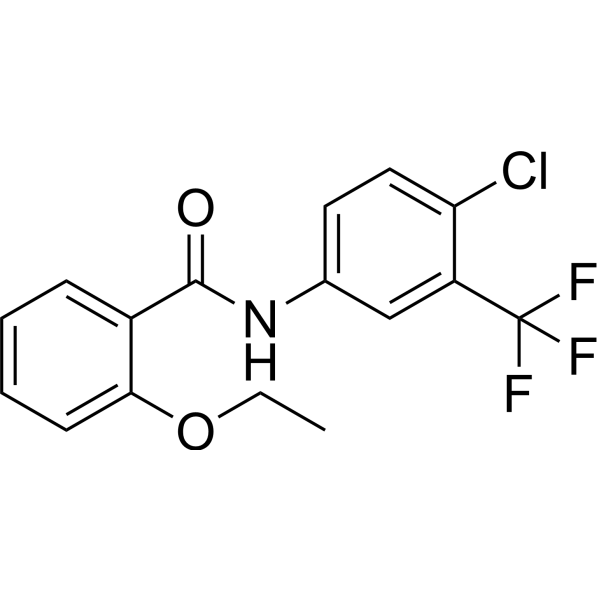 0 ImagesCTB is a potent p300 histone acetyltransferase activator. CTB can effectively induce apoptosis in MCF-7 cells.
-
NSC 228155
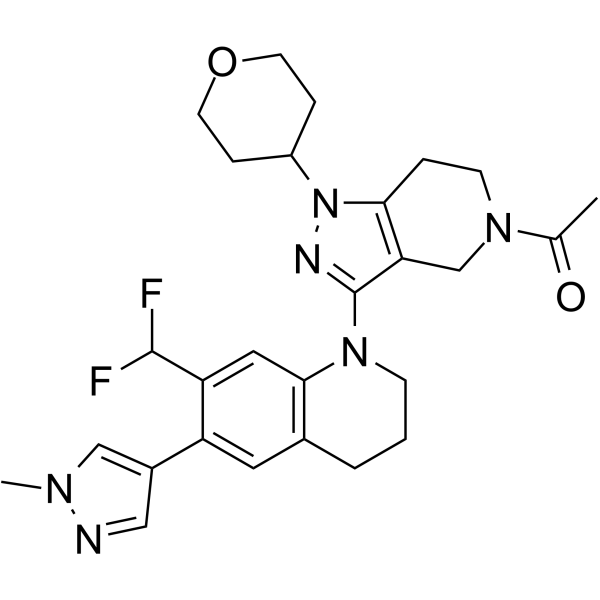
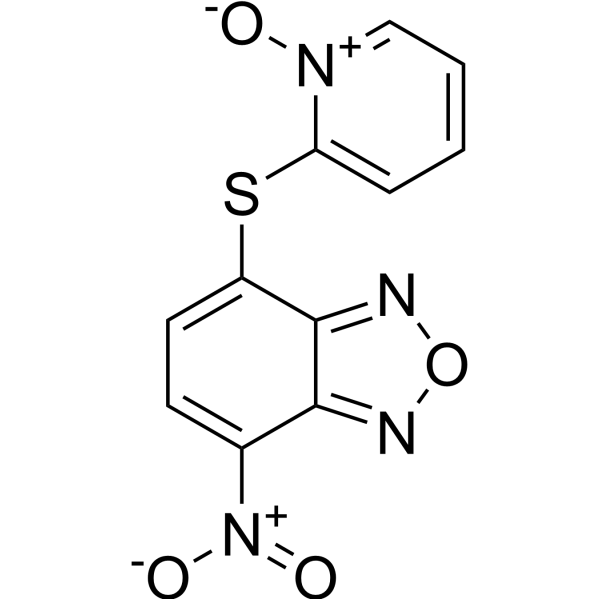 0 ImagesNSC 228155 is an activator of EGFR, binds to the extracellular region of EGFR and enhance tyrosine phosphorylation of EGFR. NSC 228155 is also a potent inhibitor of KIX-KID interaction, inhibits kinase-inducible domain (KID) from CREB and KID-interacting domain (KIX) from CBP, with an IC50 of 0.36 μM.
-
PU139
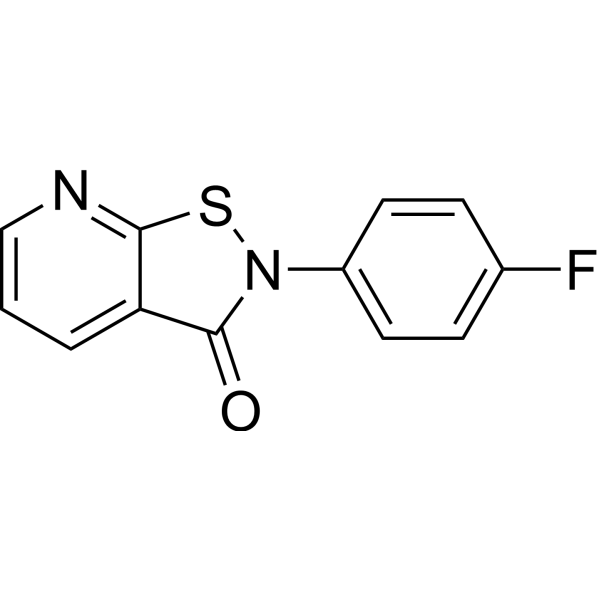 0 ImagesPU139 is a potent pan-histone acetyltransferase (HAT) inhibitor. PU139 blocks the HATs Gcn5, p300/CBP-associated factor (PCAF), CREB (cAMP response element-binding) protein (CBP) and p300 with IC50s of 8.39, 9.74, 2.49 and 5.35 μM, respectively.
-
TTK21
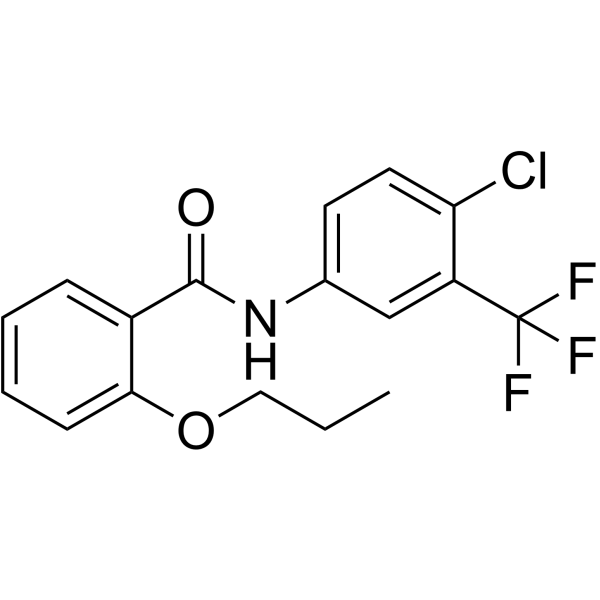 0 ImagesTTK21 is an activator of the histone acetyltransferases CBP/p300. TTK21 passes the blood–brain barrier, induces no toxicity, and reaches different parts of the brain when conjugated to glucose-based carbon nanosphere (CSP). TTK21 has beneficial implications for the brain functions of neurogenesis and long-term memory.CSP-TTK21 can ameliorate Aβ-impaired long-term potentiation (LTP). CSP-TTK21 may enhance the transcription of genes that promote synaptic health and cognitive function. CSP-TTK21 is orally effective and leads to improvements in motor functions, histone acetylation dynamics in a spinal injury rat model.
-
CPI-1612
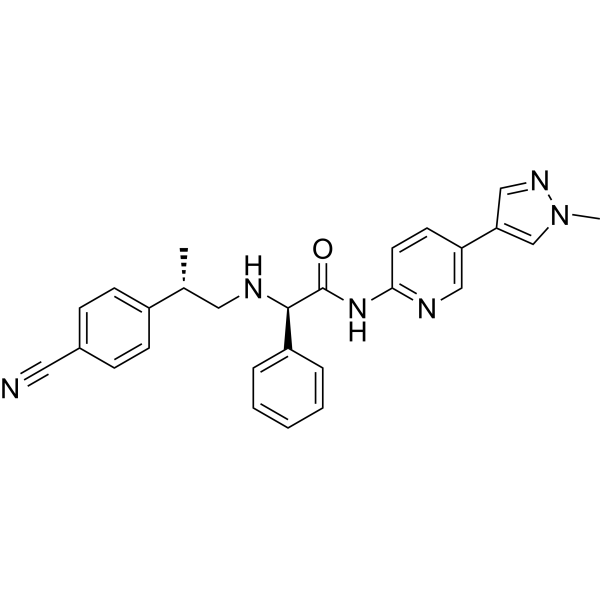 0 ImagesCPI-1612 is a highly potent, orally active EP300/CBP histone acetyltransferase (HAT) inhibitor with an IC50 of 8.1 nM for EP300 HAT. CPI-1612 has an anticancer activity.
-
CBP/p300 ligand 2
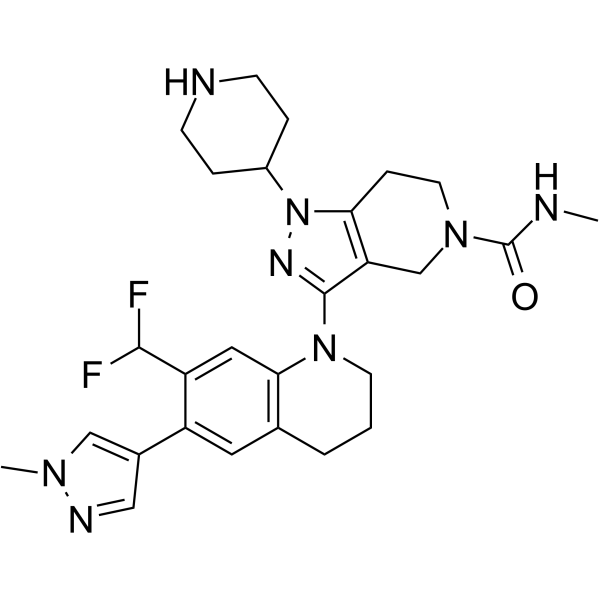 0 ImagesCBP/p300 ligand 2 is a ligand for target protein for PROTAC of dCBP-1. dCBP-1 is a potent and selective heterobifunctional degrader of p300/CBP.
-
JQAD1
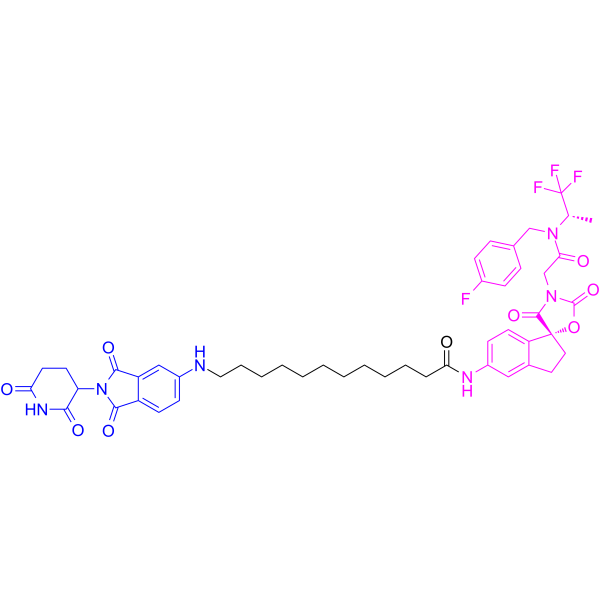 0 ImagesJQAD1 is a EP300 PROTAC degrader. JQAD1 selectively targets EP300 and induces its degradation via the CRBN-dependent proteasomal pathway. JQAD1 reduces the levels of H3K27ac and the expression of MYCN. JQAD1 induces apoptosis (apoptosis) and inhibits cancer cell growth. JQAD1 exerts anti-neuroblastoma effects in vivo in a CRBN-dependent manner. JQAD1 can be used for the research of neuroblastoma.